One of the biggest reasons families prefer wood pressed sunflower oil for cooking is how naturally it fits into everyday Indian meals. Sabzis need an oil that supports spices without overpowering them. They need steady heat, light texture, and balanced cooking. Sunflower oil contains unsaturated fats and Vitamin E, making it a popular choice for regular home cooking.
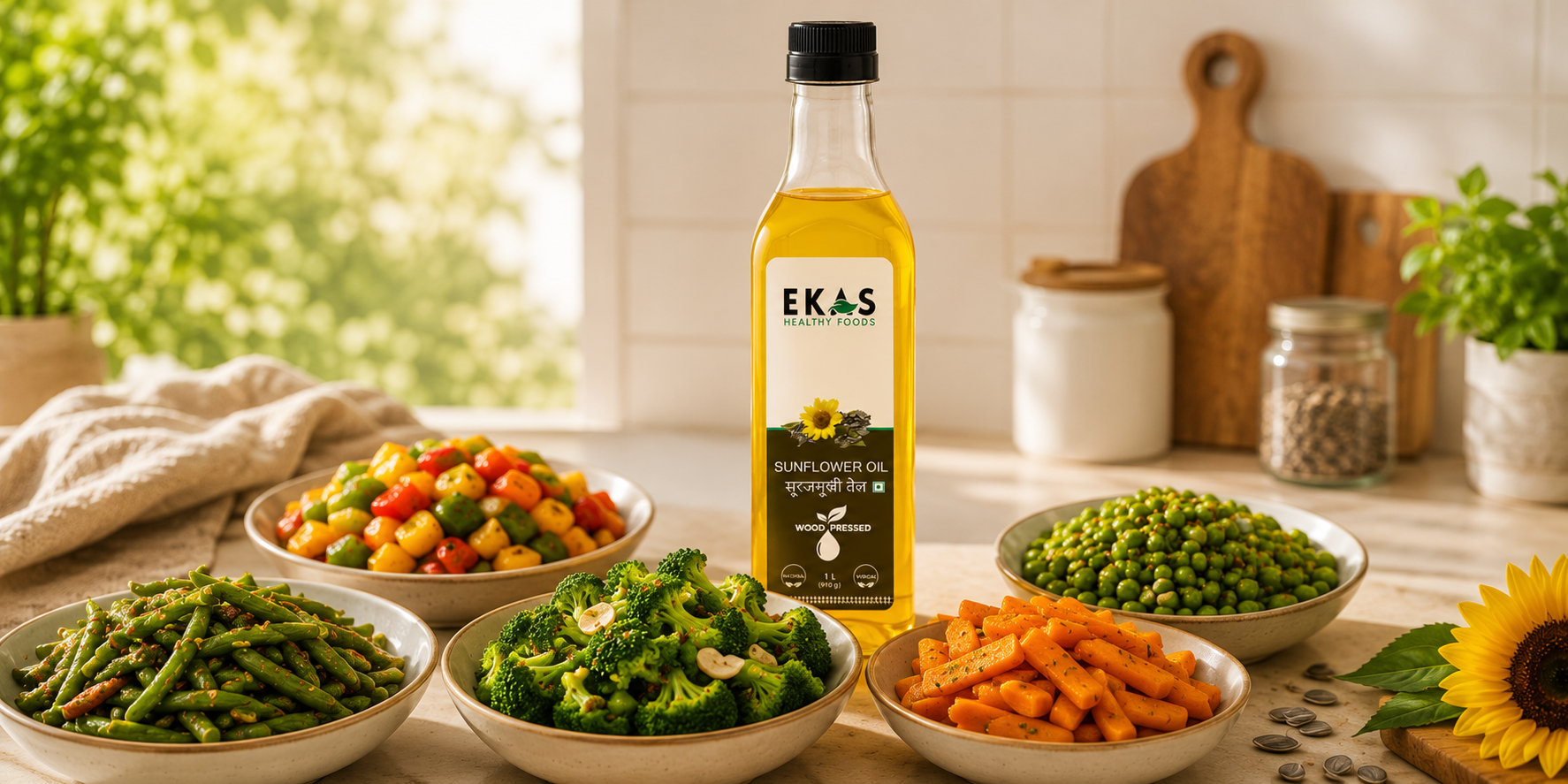
Wood-pressed sunflower oil works especially well for dry sabzis because it coats vegetables lightly while helping them cook evenly. If you want a minimally processed option, EKAS Healthy Foods offers the best wood-pressed sunflower oil. Here are five everyday sabzis where this oil truly shines.
1. Bhindi Fry That Doesn’t Turn Slimy
Bhindi needs patience and the right oil.
Too much oil traps moisture. Too little burns the edges before the inside cooks properly. Sunflower oil creates balance.
How to Make It
Heat sunflower oil in a wide pan. Add cumin seeds and sliced bhindi. Keep the flame medium and cook uncovered. Add turmeric, red chili powder, and salt once the stickiness reduces.
The result is bhindi that stays crisp at the edges without feeling oily.
2. Aloo Beans Sabzi That Browns Evenly
Potatoes need surface browning. Beans need gentle cooking. A balanced oil helps both cook together smoothly.
How to Make It
Heat oil and add mustard seeds or cumin seeds. Add chopped potatoes first, followed by beans after a few minutes. Cover briefly, then cook uncovered with coriander powder and turmeric.
Sunflower oil coats the vegetables lightly, helping potatoes crisp without absorbing excess oil.
3. Cabbage Sabzi That Tastes Fresh
Cabbage cooks fast. Heavy oils flatten its flavor.
How to Make It
Heat sunflower oil and add mustard seeds, curry leaves, and green chilies. Add shredded cabbage and sauté gently on medium heat. Finish with salt and a little grated coconut if preferred.
Because sunflower oil has a mild flavor, the cabbage retains its natural sweetness.
4. Aloo Jeera That Feels Light
Aloo jeera depends on simplicity. Oil choice becomes very noticeable here.
How to Make It
Boiled potato cubes are sautéed in sunflower oil with cumin seeds, turmeric, and coriander powder. Cook uncovered until the edges crisp slightly.
The oil helps create browning without making the dish feel greasy.
5. Tori Sabzi That Doesn’t Turn Mushy
Tori releases water quickly. That’s why many people overcook it.
How to Make It
Heat sunflower oil with cumin seeds and garlic. Add chopped tori and cook uncovered initially before covering briefly. Add basic spices and cook only until soft.
The light texture of sunflower oil prevents the sabzi from becoming too dense or oily.
Why Sunflower Oil Works Better for Dry Sabzis
Dry sabzis rely on surface cooking, not deep frying. Oil should coat ingredients lightly and distribute heat evenly.
Wood-pressed sunflower oil supports:
- Better browning
- Cleaner spice flavor
- Less oiliness
- Balanced texture
That’s why everyday vegetables taste fresher in it.
Why Mild Oils Matter in Indian Cooking
Indian sabzis already carry strong flavors from spices, garlic, ginger, and herbs. A heavily flavored oil interferes with this balance.
Sunflower oil stays neutral. It lets vegetables and spices remain the focus.
That’s especially important in daily cooking.
How EKAS Sunflower Oil Fits Everyday Meals
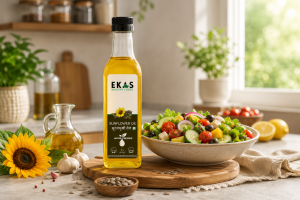
EKAS Healthy Foods produces sunflower oil using traditional wood pressing without heat or chemicals. The oil is designed for regular Indian cooking and works especially well for sautéed vegetables and home-style sabzis.
It blends into recipes naturally without changing familiar flavors.
Final Thoughts
Good sabzis don’t need excessive oil. They need even heat, clean flavor, and balance. Wood-pressed sunflower oil supports all three, helping vegetables stay crisp, flavorful, and comfortable to eat daily.
Sometimes the simplest dishes reveal the quality of your oil the most.